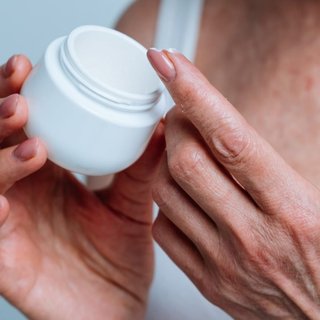
Choosing anti-aging actives is about more than picking ingredients that are popular in the skincare industry. Each ingredient works differently and offers specific benefits, so the right choice depends on skin concerns and formulation goals. Retinol, for example, is known for supporting skin renewal. Peptides and collagen boosters offer other approaches to supporting collagen production and maintaining the skin's collagen structure.
For formulators, understanding these differences can help identify the right ingredients for developing anti-aging products, from serums that help reduce the appearance of wrinkles to products focused on skin firmness and long-term skin care.
What Happens to Skin as It Ages?
Collagen is an important protein that helps keep skin firm and supple. However, natural collagen production declines with age. At the same time, existing collagen can also become damaged. As a result, skin gradually loses firmness and fine lines become more visible.
This process can be accelerated by environmental factors, particularly sun exposure. This is known as photoaging, or skin aging caused by exposure to ultraviolet (UV) radiation. In addition to affecting collagen, UV exposure can increase oxidative stress, a condition in which free radicals build up and disrupt the balance of skin cells.
For this reason, anti-aging products are generally developed with several goals in mind:
- Help improve the appearance of fine lines and wrinkles.
- Support collagen production to maintain skin firmness.
- Help protect existing collagen from damage.
- Help protect the skin from oxidative stress.
Each goal calls for a different approach to active ingredients. This is why formulators need to understand how ingredients work before deciding which ones to combine in a product.
How Do Anti-Aging Actives Work?
Anti-aging actives work in different ways. Some help support skin renewal, others support collagen production, while some help protect skin proteins from damage.
Here are several ingredient categories to consider when developing a formulation:
It's important to understand that peptides do not all work in the same way. Signal peptides focus on supporting collagen production, while carrier peptides help deliver certain minerals. Other peptides are designed to help reduce the appearance of expression lines.
CHP takes a different approach. Rather than simply supporting the formation of new collagen, it is designed to recognize and bind to damaged collagen structures. These different mechanisms give each type of peptide a distinct role in anti-aging formulations.
What Are Collagen Boosters and How Do You Choose Them?
The term collagen booster is commonly used in the skincare industry to describe ingredients that help support the skin's collagen. However, it covers several types of ingredients that work in different ways.
In general, there are three approaches to consider:
1. Supporting collagen production
Some ingredients, such as signal peptides, are designed to support skin cell activity involved in collagen production. This approach may be worth considering for products focused on skin firmness and appearance.
2. Targeting damaged collagen
Not all collagen boosters work by stimulating the production of new collagen. Collagen Hybridizing Peptide (CHP), for example, is designed to bind selectively to damaged collagen. This offers a more targeted approach when developing formulations.
3. Helping protect collagen
Antioxidants help protect cell components from oxidative stress. Since oxidative stress can contribute to collagen damage, antioxidants can also play a role in an anti-aging skin care approach.
Choosing a collagen booster should involve more than looking for claims about increased collagen. Formulators need to understand how each ingredient works and make sure its benefits align with the product's intended purpose.
What Role Do Peptides Play in Anti-Aging Formulations?
Peptides are an interesting option for anti-aging skincare because they can be designed to perform specific functions. However, each peptide has its own characteristics. Choosing one requires looking beyond its advertised benefits.
Here are some key factors to consider when using peptides in a formulation:
- Ingredient stability: Make sure the peptide remains stable during production and throughout product storage.
- pH conditions: Different peptides may have different recommended pH ranges. Adjust the formulation according to supplier recommendations.
- Compatibility: Check whether the peptide works well with other active ingredients and formulation components, including preservatives and texture-building ingredients.
- Delivery systems: Some peptides may require a specific delivery system to support their performance in the product.
- Manufacturing process: Consider temperature and the appropriate stage of addition based on the characteristics of each peptide.
Understanding these factors helps formulators choose peptides that are not only promising in terms of benefits but also suitable for the final product.
What Is Retinol's Role in Anti-Aging Formulations?
Retinol remains one of the most widely used actives in anti-aging products. It helps support skin renewal and improve the appearance of fine lines and wrinkles.
When formulating with retinol, consider its stability and compatibility with other ingredients.
How Do You Choose Anti-Aging Actives Based on Skin Concerns?
Not every anti-aging product needs the same active ingredients. The right choice depends on the skin concerns the product is designed to address.
Beyond skin concerns, there are several other factors to consider when selecting active ingredients:
- Stability and compatibility: Make sure the ingredient works well within the intended formulation.
- Usage level: Follow supplier recommendations and adjust the concentration to suit the product.
- Cost-in-use: Consider the cost of using the ingredient in the final formulation, not just its purchase price per kilogram.
- Target market: Match ingredient selection to the product's positioning, whether mass market, masstige, or premium.
If the product also targets dullness or uneven skin tone, formulators can consider brightening skincare actives as an additional approach.
What Anti-Aging Ingredients Does Bahtera Adi Jaya Offer?
To support the development of anti-aging products, Bahtera Adi Jaya offers several BASF ingredients, each with different characteristics and formulation applications.
Anti-Aging Actives: Frequently Asked Questions
What is a collagen booster in skincare?
A collagen booster is a general term for active ingredients that help support the skin's collagen in different ways, such as supporting collagen production, targeting damaged collagen, or helping protect it. Examples include signal peptides, Collagen Hybridizing Peptide (CHP), and antioxidants.
Where can I buy anti-aging ingredients for cosmetic formulations?
Anti-aging ingredients are available from chemical and cosmetic ingredient distributors that supply raw materials for product development. Bahtera Adi Jaya offers a range of BASF actives, including retinoids, CHP peptides, recombinant collagen, and algae extracts.
Can retinol and peptides be combined in one formulation?
Retinol and peptides can be considered for use together, but compatibility depends on the type of peptide and the overall formulation. Formulators should evaluate stability, pH, and ingredient compatibility before finalizing the formula.
Find the Right Actives for Your Anti-Aging Formulation
Each active ingredient has its own mechanism and benefits. Retinol supports skin renewal, peptides offer more targeted approaches, while collagen boosters can help support collagen production and maintenance.
Choosing the right anti-aging actives means considering skin concerns, how each ingredient works, stability, compatibility, and formulation requirements. With the right raw materials, formulators can develop products that meet consumer needs while aligning with their brand's positioning.
Contact Bahtera Adi Jaya, your trusted partner for chemical solutions, to explore active ingredients that fit your cosmetic product development needs here.